Okay, So Apple’s Using 3D Printing in the iPhone Air. But How?
Okay, So Apple’s Using 3D Printing in the iPhone Air. But How?
Quick Overview
Learn how to repair a damaged USB-C port on your iPhone Air with this DIY guide. You'll discover the necessary tools and parts required for the job, as well as step-by-step instructions for disassembling and reassembling your device. By following these easy-to-follow steps, you can have your iPhone up and running in no time.
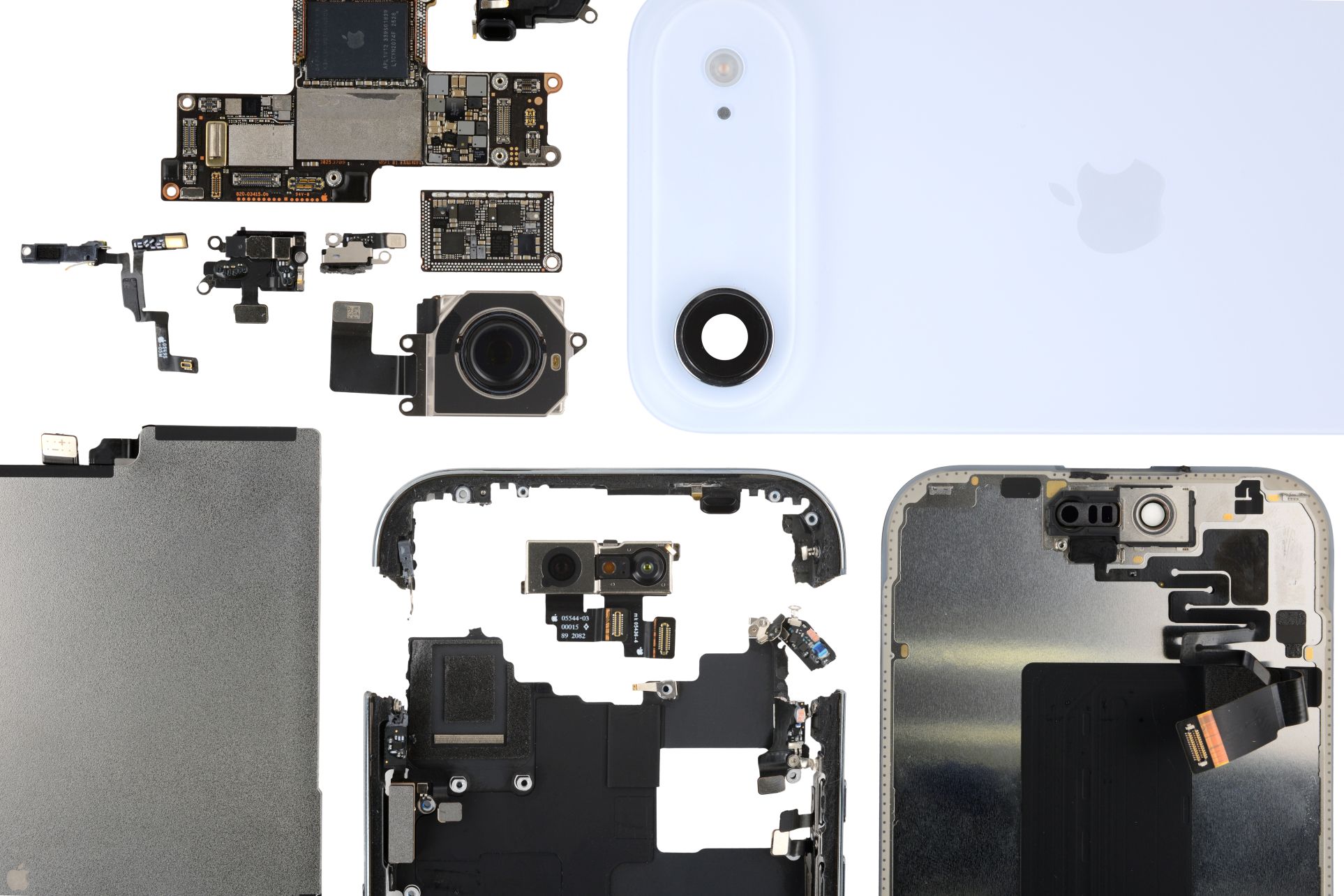
Step Reference Photos
These photos come from the original reference material and are provided so you can visually follow along with the steps.

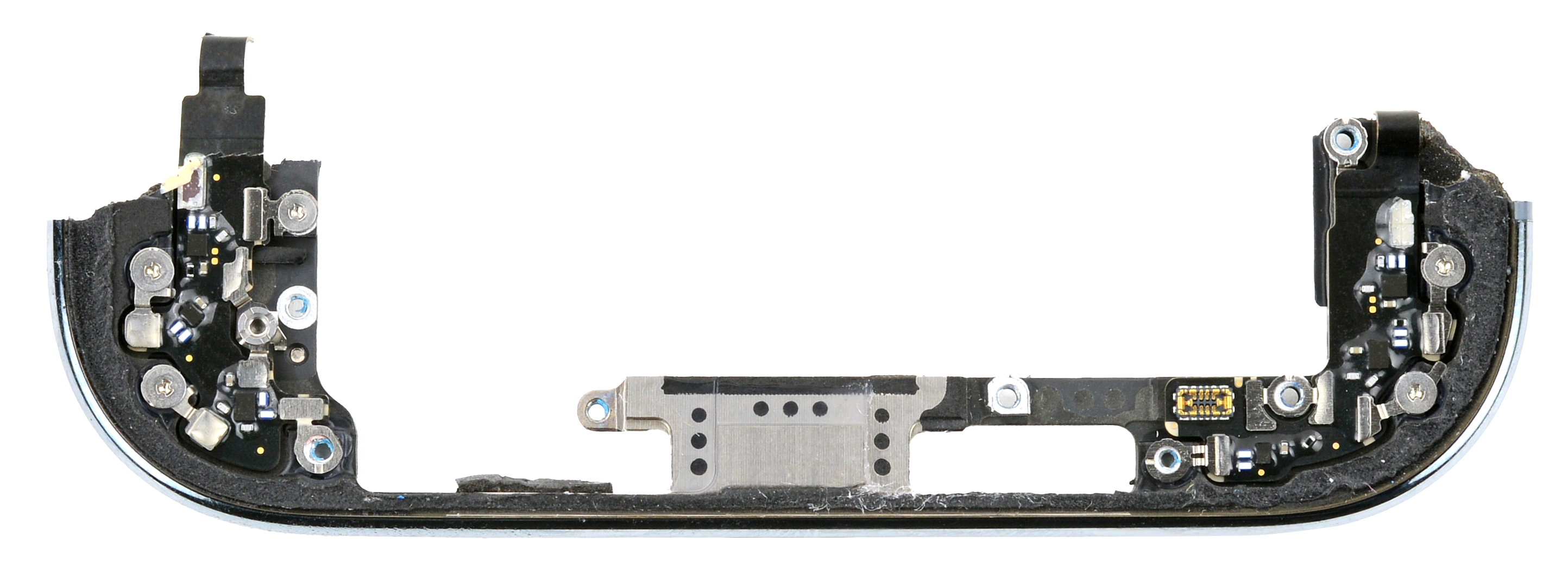
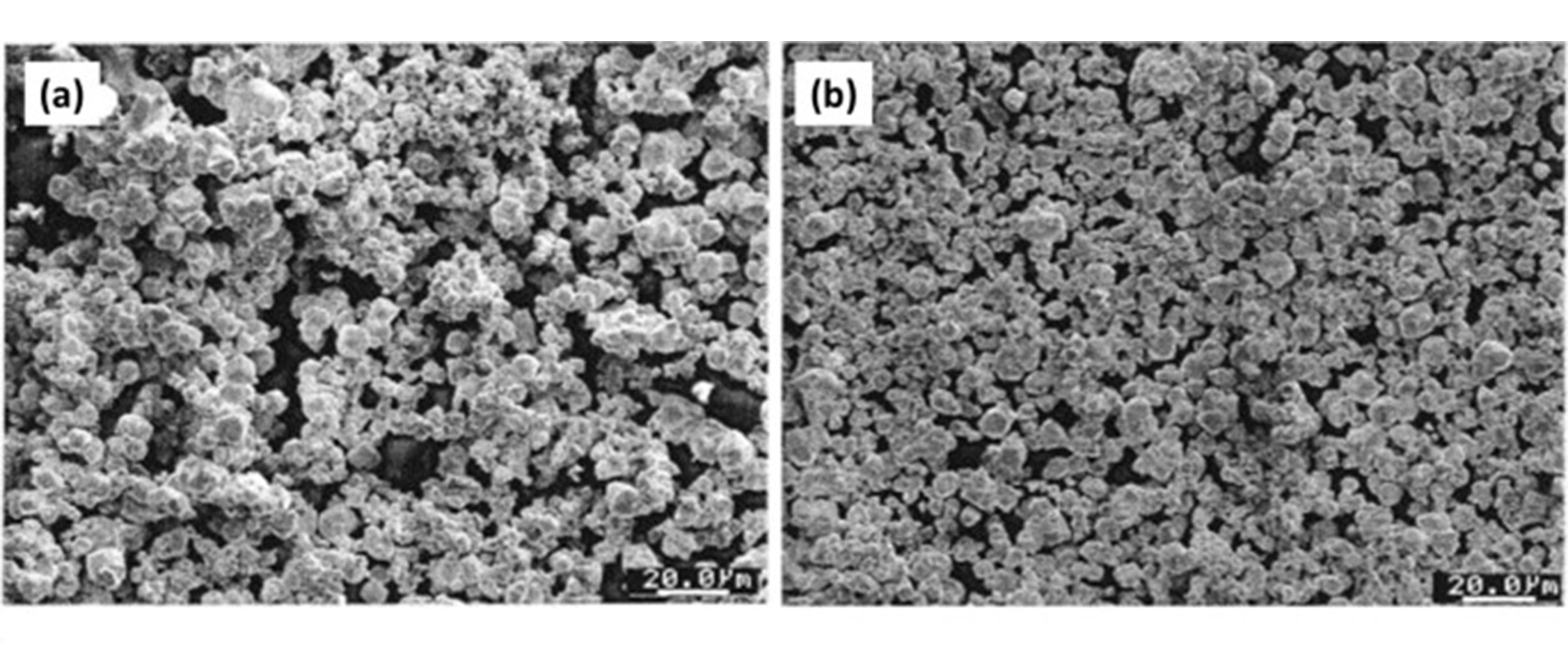


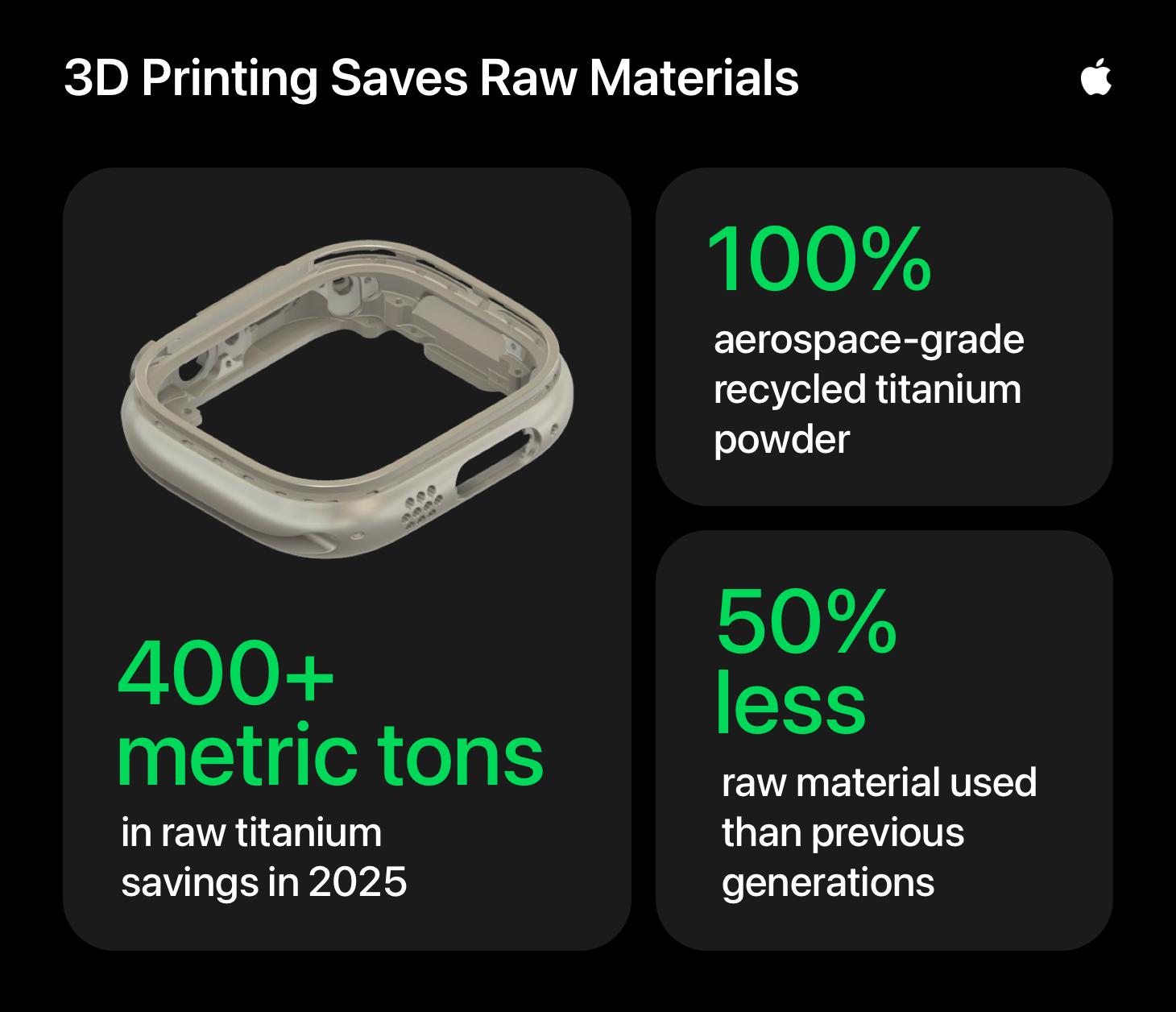

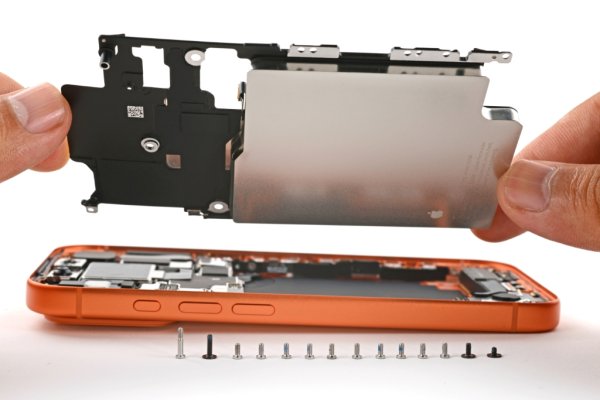
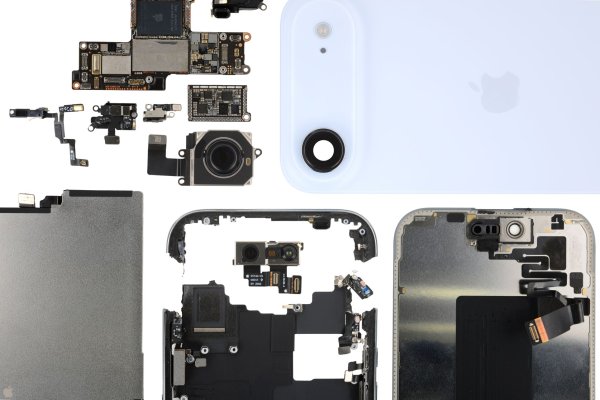
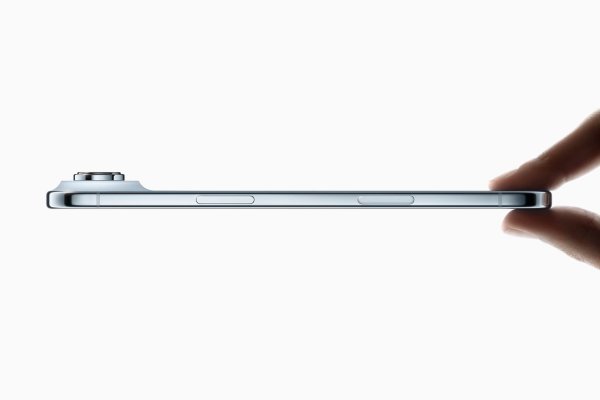

Repairing a Damaged USB-C Port on an iPhone Air
This repair guide is for owners of an iPhone Air who have damaged their USB-C port and are looking to fix it themselves.
Tools & Parts You'll Need
- USB-C port replacement (available from reputable suppliers)
- Soldering iron and solder
- Pliers and screwdrivers for disassembly
- Anti-static wrist strap or mat
- Cleaning solution and cotton swabs
Before You Start
Make sure to handle the iPhone Air with care, as any further damage can make the repair more difficult. Also, if you're not comfortable working with electronics, it's recommended that you seek professional help.
Step-by-Step Instructions
- Remove the SIM card and SD cards from the iPhone Air to prevent any accidental erasure of data during the repair process.
- Disconnect the USB-C cable from the phone and gently pry open the case to access the internal components. Be careful not to scratch or damage any of the surrounding parts.
- Use a soldering iron to carefully remove the damaged USB-C port, taking note of its orientation and location on the motherboard.
- Install the new USB-C port replacement, ensuring it's properly seated and secured with screws. Make sure not to overtighten the screws, which can damage the surrounding components.
- Reassemble the iPhone Air in reverse order, making sure all screws are securely tightened.
- Test the repaired phone by connecting it to a computer or charger via the USB-C port.
Testing & Troubleshooting
If you encounter any issues during the repair process or after testing the phone, try the following troubleshooting steps:
- Check that all screws are securely tightened and not loose.
- Verify that the USB-C port is properly seated on the motherboard.
- Try cleaning the USB-C port with a cotton swab and gentle cleaning solution to remove any debris or corrosion.
Optional Upgrades
Consider upgrading your iPhone Air's audio system by replacing the speakers with more efficient ones, such as those listed in our recommended products section. This can enhance the overall listening experience and provide clearer sound quality.